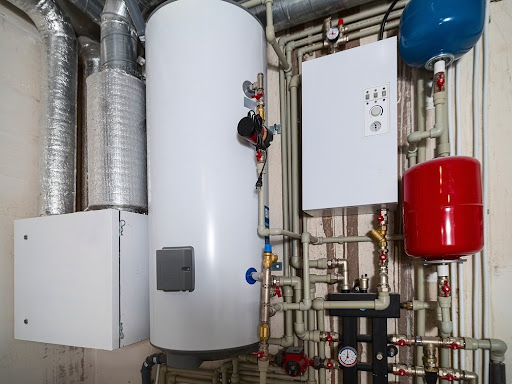
Choosing a new water heater is an important decision that can affect your home’s comfort, energy efficiency, and long-term utility costs. While both traditional tank water heaters and tankless water heaters provide reliable hot water, they operate differently and offer unique advantages depending on your household’s needs.
If you’re considering replacing an aging water heater or installing a new system, understanding the differences between these two options can help you make a more informed decision.
Traditional tank water heaters store hot water in an insulated storage tank. The system continuously heats the water to a preset temperature so it’s ready whenever you turn on a hot water faucet. Once the stored hot water is depleted, the tank refills and reheats the incoming water before additional hot water becomes available.
Tank water heaters remain a popular choice for many homeowners because they offer several practical advantages.
Tank systems also have a few limitations to consider.
Rather than storing hot water, tankless water heaters heat water only when a faucet, shower, or appliance calls for it. As water flows through the unit, powerful heating elements quickly raise the water temperature before it reaches your fixtures. This on-demand approach eliminates the need for a storage tank while providing a continuous supply of hot water.
Many homeowners choose tankless systems because of their efficiency and convenience. Because they heat water only when needed, these systems can deliver reliable performance while reducing unnecessary energy use.
Although tankless systems offer many advantages, they may not be the best solution for every home. Understanding their limitations can help you determine whether a tankless system is the right fit for your household and budget.
When deciding between the two systems, it’s helpful to compare several important factors. Looking at the differences side by side can make it easier to choose the option that best fits your home’s needs.
The right choice depends on your household’s size, daily hot water usage, available installation space, and long-term goals. Understanding how each system performs in these areas can help you make a more informed investment.
A traditional tank water heater may be the better option if:
A tankless water heater may be the better option if:
Every home is different, which is why selecting the right water heater should involve more than comparing equipment prices.
Before making your decision, consider:
No matter which type of water heater you choose, proper installation is essential for reliable performance, efficiency, and safety. Correct sizing ensures your system can meet your household’s hot water demands while operating efficiently for years to come.
An improperly installed or incorrectly sized water heater can lead to inconsistent hot water, higher energy costs, and unnecessary wear on the system. Working with an experienced plumbing professional can help you evaluate your home’s needs and select the system that offers the best balance of comfort, performance, and long-term value.
Whether you’re considering a traditional tank water heater or upgrading to a tankless system, choosing the right equipment is an investment in your home’s comfort and efficiency. Understanding the advantages of each option helps you make a decision that fits your family’s needs and budget.
If you’re ready to replace your existing water heater or would like expert guidance on selecting the right system, contact us now. Our experienced professionals can help you choose the best solution for reliable hot water and long-lasting performance.