Few household problems create stress as quickly as a plumbing emergency. Whether it’s a burst pipe flooding your basement, an overflowing toilet soaking your bathroom floor, or a leaking appliance sending water across your kitchen, you will want to act fast to prevent significant damage to flooring, drywall, furniture, personal belongings, and even the structural components of your home.
That’s why one of the most important things every homeowner should know is how to quickly shut off their water supply during a plumbing emergency. Keep reading our guide to find out where your shut-off valves are located and understand when and how to use them.
One of the first things every homeowner should do before an emergency ever happens is locate the home’s main water shut-off valve. During a plumbing emergency, being able to quickly stop the flow of water can significantly reduce damage and give you more control over the situation.
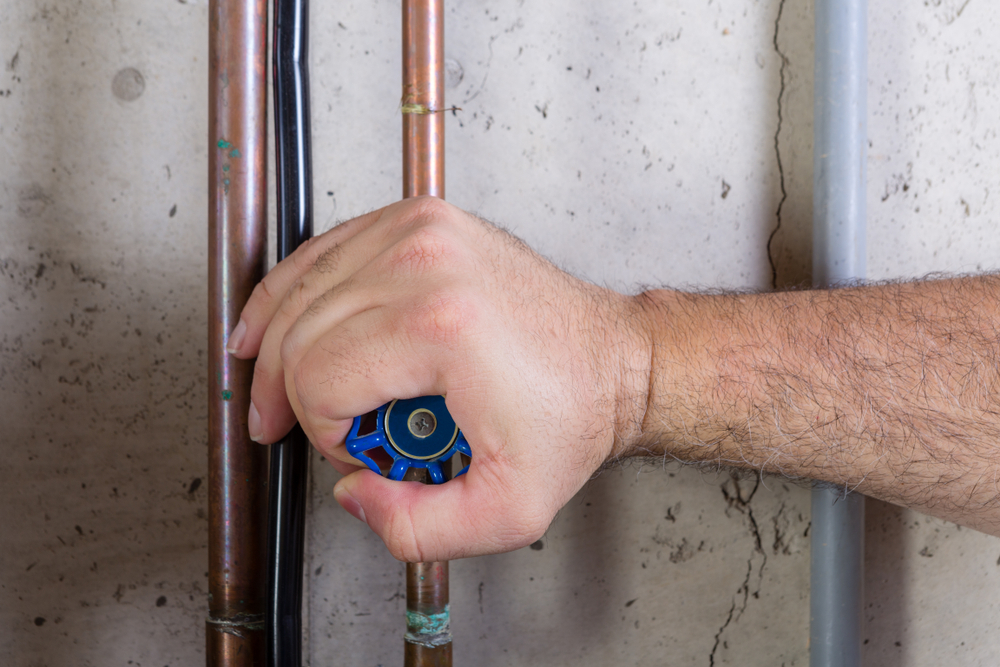
The main water shut-off valve controls the water supply for your entire home. Turning this valve off will stop water from flowing to sinks, toilets, showers, appliances, and plumbing fixtures throughout the property.
In many Central Pennsylvania homes, the main shut-off valve is commonly located:
Some homes may also have an exterior shut-off valve near the water meter.
Most homes have one of two common types of shut-off valves:
Don’t wait until an emergency happens to locate your shut-off valve. Take time to identify the valve now and make sure everyone in your household knows where it is and how to operate it.
In some plumbing emergencies, you may not need to shut off water to the entire home. Many fixtures and appliances have dedicated shut-off valves that allow you to isolate the problem while keeping water available elsewhere in the house.
Knowing how to turn off water at specific fixtures can help minimize disruptions and prevent unnecessary inconvenience.
Most toilets have a shut-off valve located behind the toilet near the floor. Turn the valve clockwise to stop water from refilling the tank if the toilet is overflowing or leaking.
Bathroom and kitchen sinks usually have shut-off valves beneath the sink. These valves control the hot and cold water supply lines individually.
Washing machine shut-off valves are typically located behind the appliance. If a hose bursts or leaks, turning off these valves can quickly stop the flow of water.
Dishwasher shut-off valves are often located beneath the kitchen sink or behind the appliance itself.
If your refrigerator has a water dispenser or ice maker, it likely has a small water shut-off valve behind or beneath the unit.
Water heaters also have dedicated shut-off valves that control incoming water flow. In some situations, shutting off the water heater may be necessary to prevent further damage.
Plumbing emergencies can create dangerous conditions if homeowners are not careful. While stopping the flow of water is important, protecting your safety should always come first.
While shutting off your water supply can help minimize damage, most plumbing emergencies require professional repairs to fully resolve the issue. In fact, attempting DIY repairs without proper training can sometimes make the problem worse or create additional damage.
You should contact a professional plumber if you experience:
Professional plumbers have the tools, training, and experience needed to identify the root cause of the issue and perform safe, effective repairs.
At HB Home Service Team, our experienced plumbers provide emergency plumbing services throughout Central Pennsylvania, and we work quickly to help homeowners restore their plumbing systems and minimize disruption.
Having a trusted plumbing company to call during an emergency can make a major difference when unexpected problems arise. Specifically, fast, professional service can help limit water damage, protect your home, and restore normal conditions more quickly.
Since 1914, HB Home Service Team has proudly served homeowners throughout Harrisburg, Carlisle, Hershey, York, and the surrounding communities with dependable plumbing solutions and exceptional customer care. Our skilled plumbing professionals are prepared to respond to a wide range of plumbing emergencies and provide reliable repairs designed to keep your home safe and functional.
Whether you’re dealing with a burst pipe, leaking water heater, overflowing fixture, or another urgent plumbing problem, our team is ready to help. Connect with our experts today and restore your peace of mind.